Peanut Oil Pressing Solution
Complete 7-step peanut (groundnut) oil production with hydraulic press — cleaning, shelling, crushing, conditioning, moisture control to 4-6%, pressing and filtration. HN325/HN365.
Quick Answer
Yes — the Haonuo hydraulic oil press is built for peanuts (groundnuts). Expect 40-48% yield (hot press, roasted kernels) or 38-44% (cold press) from shelled kernels, with residual oil in cake at 6-8% — against 10-12% for conventional drilled-barrel presses. One HN325 tabung press takes 100 kg per batch (30-60 min hot press), so a single machine runs roughly 800-1,200 kg/day; a double-barrel or HN365 reaches 1,500-2,500 kg/day. Always shell first: pressing unshelled peanuts cuts yield by 15-25%.
Peanut Oil Press Overview
Groundnut (peanut) oil is the everyday cooking oil of West Africa — Nigeria is one of the world’s largest groundnut producers — and demand is equally strong in India, China and Southeast Asia. A hydraulic peanut oil press machine lets small and mid-sized mills press aromatic hot-pressed oil or premium cold-pressed oil directly from shelled kernels, for local markets or export buyers.
Haonuo’s peanut pressing solution is built around hydraulic press technology. Unlike screw expellers, which generate friction heat that can scorch the oil, a hydraulic groundnut oil extraction machine applies static, controlled pressure. The oil stays below scorching temperature, the natural peanut flavor is preserved, and residual oil in the cake typically lands at 6-8% (Haonuo factory tests with graded peanut and sesame at 6-8% moisture; results vary with seed variety and preparation) — against roughly 10-12% for a conventional drilled-barrel press.
Every Haonuo hydraulic press handles both routes on one machine: cold pressing for premium, nutrient-rich oil, and hot pressing after roasting for a stronger aroma and 3-5% more oil per batch. The difference is entirely in seed preparation, which is exactly why the seven-step process below matters.
Peanut Oil Yield Expectations
| Feed material | Oil content | Expected oil yield | Residual oil in cake |
|---|---|---|---|
| Shelled kernels, roasted (hot press) | 45-55% | 40-48% | 6-8% |
| Shelled kernels, raw (cold press) | 45-55% | 38-44% | 7-9% |
| Unshelled peanuts (not recommended) | 25-35%* | 20-30% | 8-10%+ |
*The oil-content figure for unshelled peanuts is diluted by the shell mass; shells also absorb oil during pressing, which is why shelling is mandatory.
Key factors affecting yield:
- Shelling — pressing unshelled peanuts cuts oil yield by 15-25% and darkens the oil.
- Variety — high-oil varieties (Virginia, Spanish) outperform runner types.
- Moisture — kernels entering the tabung press should be at 4-6% for hot press, 6-7% for cold press.
- Roasting — conditioning at around 130°C (120-150°C) develops the nutty aroma and lifts yield by 3-5%.
- Tabung Press design — the bar-type slotted tabung press drains oil over a far larger area than a drilled tabung press, typically extracting 2-3% more oil per batch.
What you get from 100 kg of shelled peanuts
| Output | Hot press (roasted) | Cold press |
|---|---|---|
| Crude oil | 40-48 kg (≈43-52 L) | 38-44 kg (≈41-48 L) |
| Oil cake | ≈48-56 kg | ≈50-58 kg |
Typical figures for well-shelled, properly conditioned peanuts at standard machine settings; based on Haonuo factory tests with graded peanut at 6-8% moisture, actual results vary with variety, moisture and cycle settings. Liters assume oil density of about 0.92 kg/L.
Why Choose Our Peanut Oil Press
- Hydraulic, not screw — static pressure keeps the oil below scorching temperature; no burnt taste, and 6-8% residual oil instead of 10-12%.
- One machine, two products — switch between premium cold-pressed and aromatic hot-pressed peanut oil by changing preparation only.
- Complete line from one supplier — shelling and preparation advice, roaster, press and filter matched as one balanced line.
- Factory-direct, built for your site — FOB Qingdao pricing, payment terms confirmed on the proforma invoice, free voltage customization (415 V/50 Hz, 380 V/60 Hz or your local standard), standard models ready in 15-25 working days.
- Tested before it ships — every press runs under full working pressure and is checked for leaks before packing, with English manual, online video guidance and stocked spare parts.
What 100 kg of Shelled Peanuts Is Worth
| Output | Amount | Indicative value (USD) |
|---|---|---|
| Crude peanut oil (hot press) | 43-52 L | $65-130 (@ $1.5-2.5/L) |
| Oil cake (animal feed / snack flour) | 48-56 kg | $10-20 |
| Total per 100 kg | $75-150 |
At 800-1,200 kg/day, one HN325 turns shelled peanuts into roughly $600-1,800 of product per day. In Nigeria, retail groundnut oil has recently traded around ₦2,500-4,500 per litre depending on region and season. All prices above are indicative ranges — confirm current local rates, then tell us your kernel cost and oil price and we will calculate your exact daily margin.
Built for the West African Groundnut Trade
- Free voltage customization — motors wound for 415V/50Hz, 380V/60Hz or your local grid standard at no extra cost
- Supports the hot-roast pressing tradition behind the aromatic groundnut oil preferred across Nigeria, Ghana and Senegal — and cold pressing for premium export buyers
- Shipped FOB Qingdao; we arrange sea freight to Lagos (Apapa / Tin Can Island), Onne or Tema with full export documentation
- Wear parts (seals, filter cloths) ship with the machine, backed by 1-year spares support
- Video-call a live pressing demo with your own kernels before you order
Peanut Oil Process Flow
1. Cleaning
Remove stones, dust and impurities from the pods. Clean seed protects the tabung press and keeps oil flavor clean.
2. Shelling
Shell with a dedicated groundnut sheller. Shells absorb oil; pressing unshelled peanuts cuts yield by 15-25%.
3. Crushing / Flaking
Crush or lightly flake the shelled kernels to break the cell structure, so oil releases faster and more completely.
4. Conditioning & Roasting (Hot Press)
For hot-pressed oil, condition or roast at around 130°C (120-150°C) for 20-30 minutes in the thermal oil roasting pan. Skip this step for cold press.
5. Moisture Adjustment
Adjust kernel moisture to 4-6% for hot press (6-7% for cold press). Too wet causes emulsification; too dry gives poor oil flow.
6. Hydraulic Pressing
Press in the HN325 or HN365 at 100 kg per batch. Roasted peanuts finish a batch in 30-60 minutes; cold press takes longer.
7. Filtration & Settling
Run crude oil through the pneumatic filter press to remove fines, then settle 12-24 hours before bottling.
Recommended Peanut Oil Machine
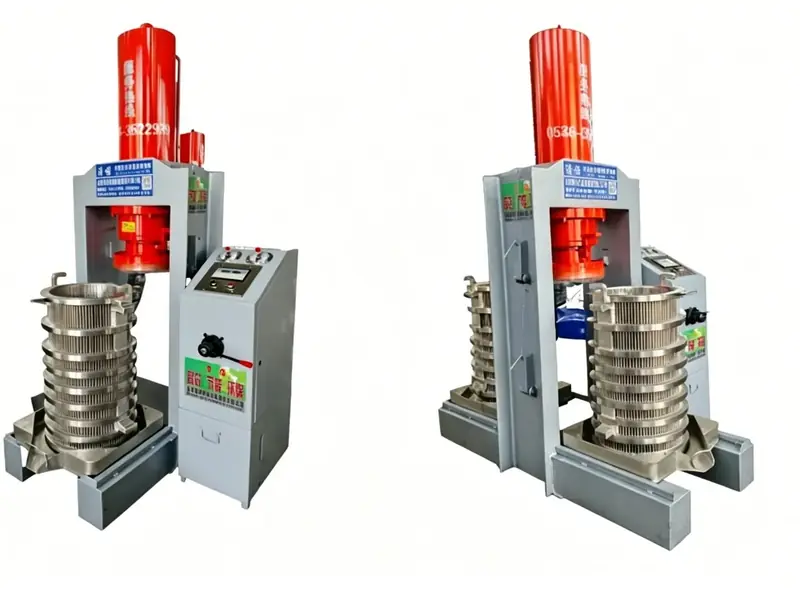
Standard Hydraulic Oil Press
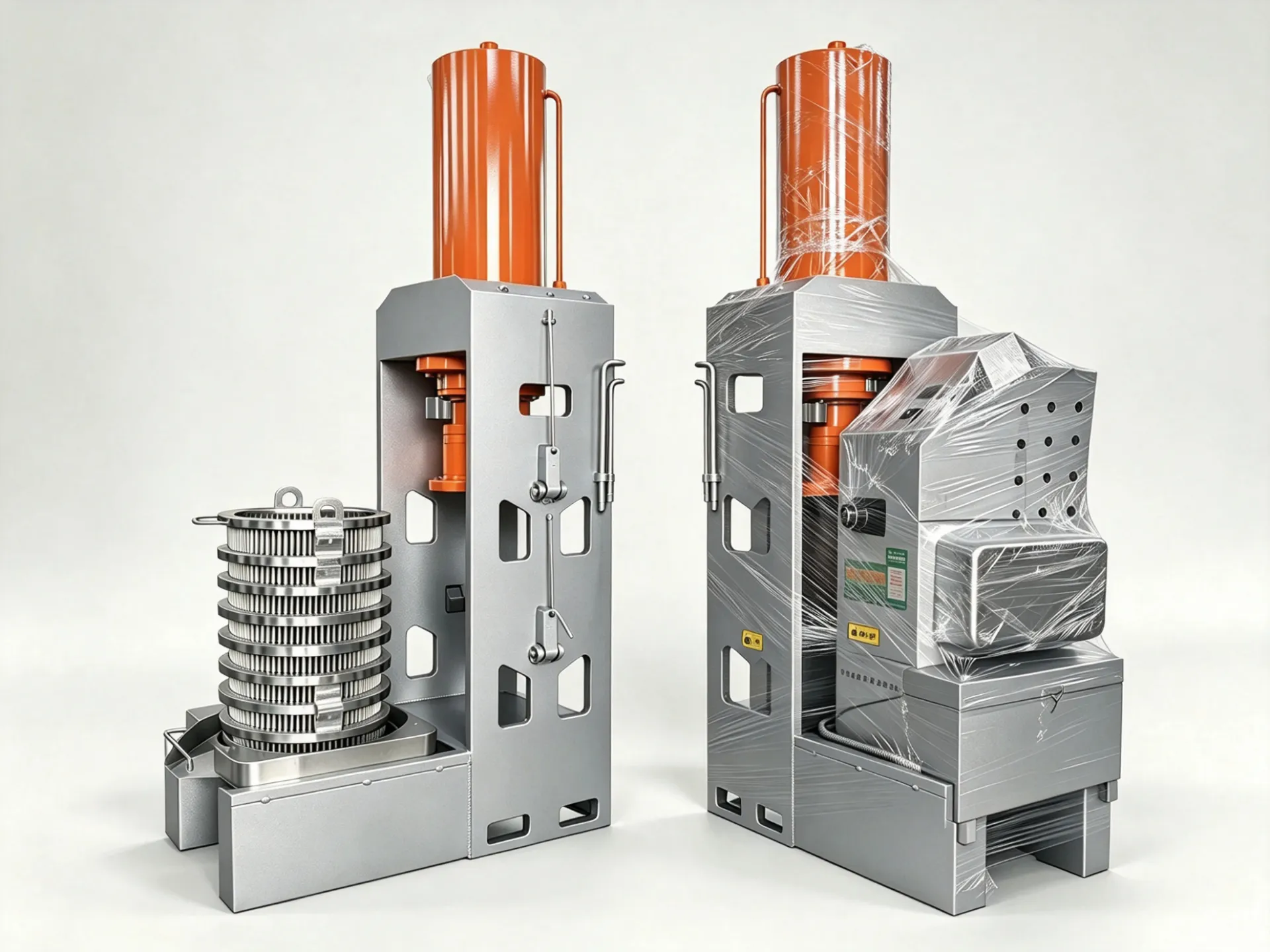
Commercial Hydraulic Oil Press
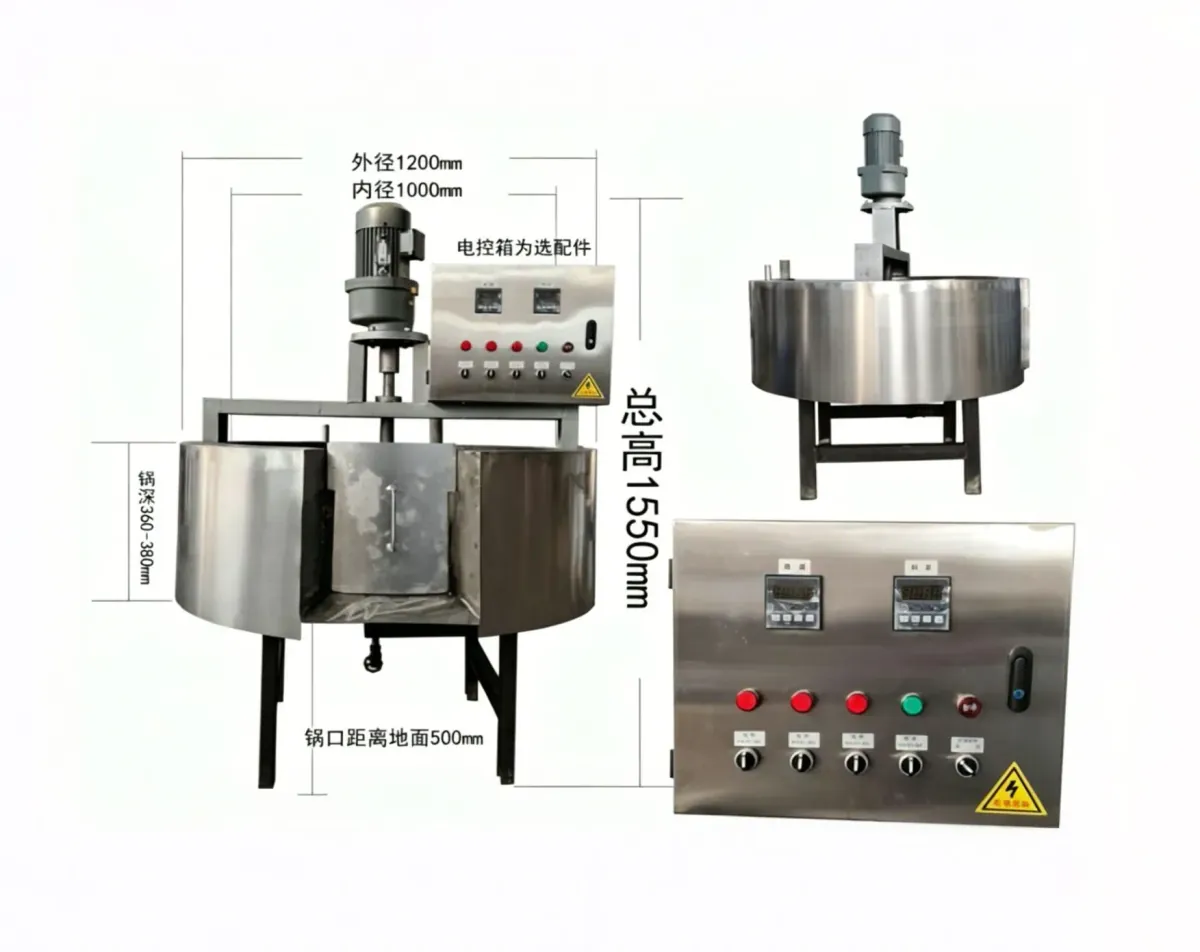
Thermal Oil Roasting Pan for Oilseeds
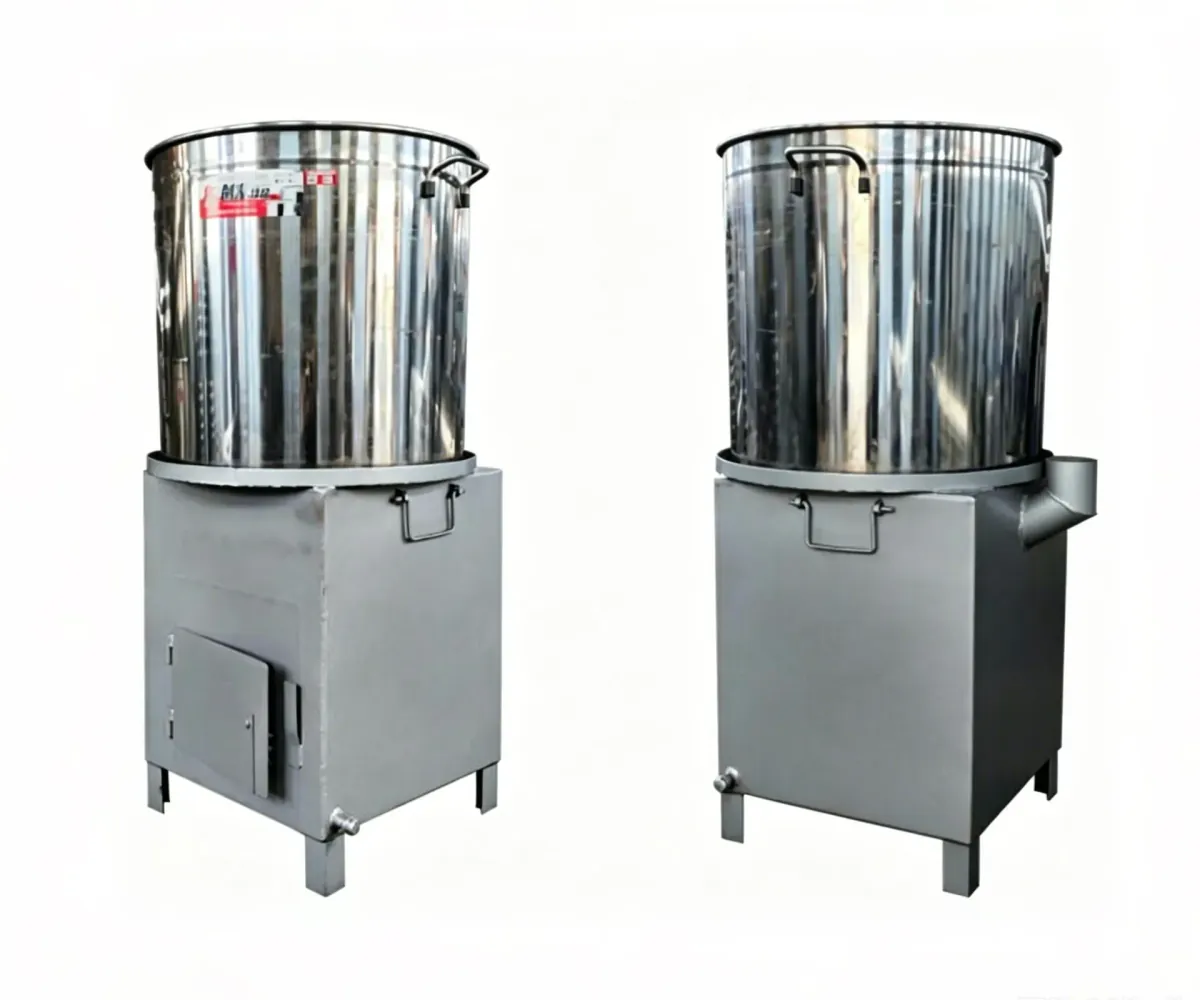
Wood-Fired Seed Steamer for Oil Mills
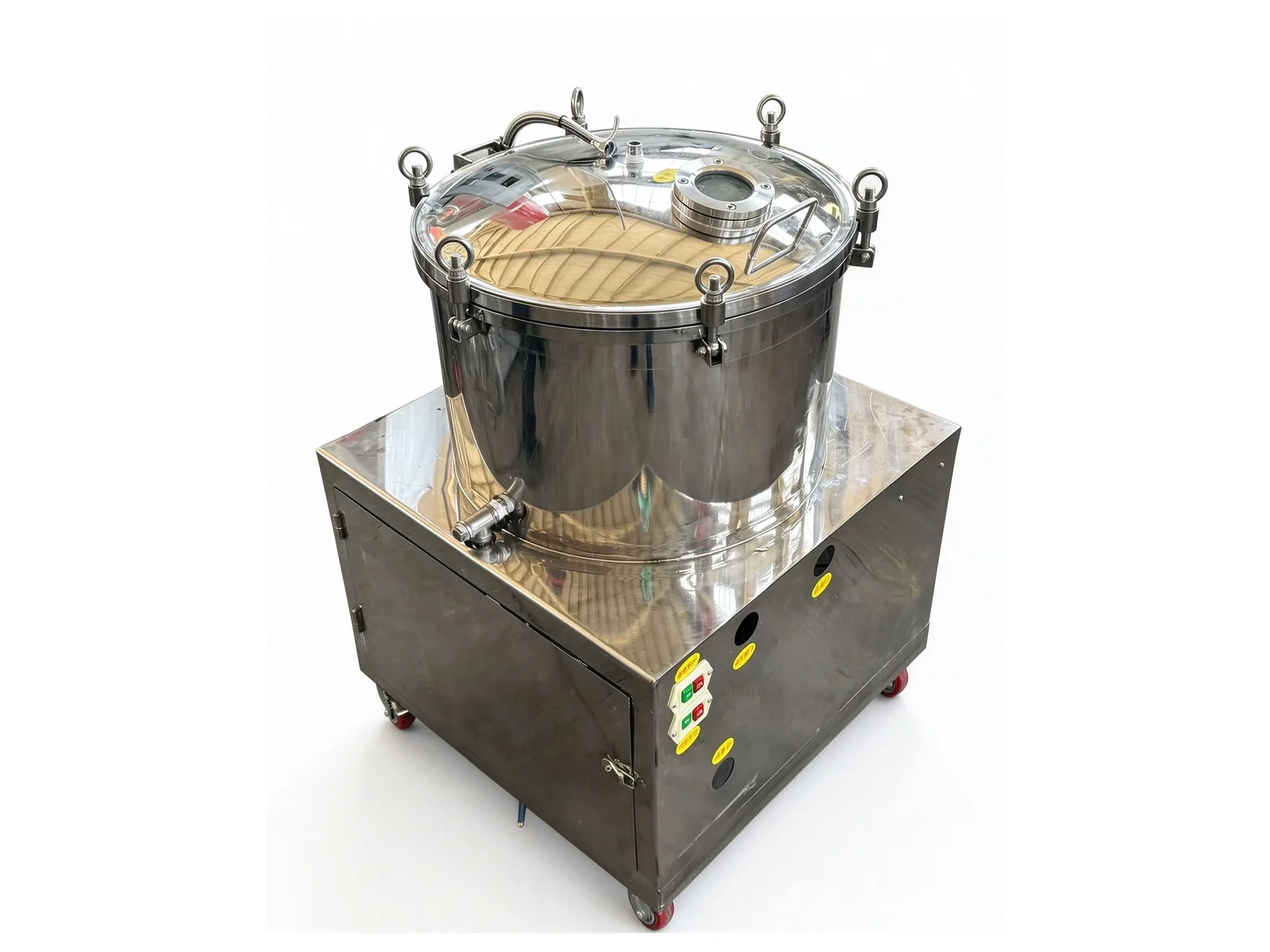
Pneumatic Oil Filter Press for Crude Oil
Peanut Oil Pressing Solution — Frequently Asked Questions
What is the oil content of peanuts, and how much oil is left in the cake?
What moisture level should peanuts be before pressing?
Can I press peanuts with the shells on?
What is the difference between cold-pressed and hot-pressed peanut oil?
How many kilograms of peanuts can I press per day?
What is the price of a peanut oil press machine?
How long does pressed peanut oil last?
Other Solutions
Rice Bran Oil Pressing Solution
Rice bran oil press machine for fresh and stabilized rice bran. Hydraulic pressing solution with honest guidance on rancidity control for India, Bangladesh and Southeast Asia. Haonuo factory price.
Animal Fat Oil Pressing Solution
Animal fat press machine for lard and tallow production. Hydraulic pressing of rendered cracklings with honest yield guidance for Mexico, Pakistan, Egypt and Europe. Haonuo factory price.
Soybean Oil Pressing Solution
Complete soybean oil pressing solution. From seed preparation through pressing and filtration. Hydraulic cold press and expeller options for maximum yield.
Ready to Start Your Peanut Oil Business?
Contact us for a complete solution with professional equipment recommendations.
Get Factory Price