Seed Processing
Crushing, pre-pressing, and integrated processing equipment for oil seed preparation before pressing.
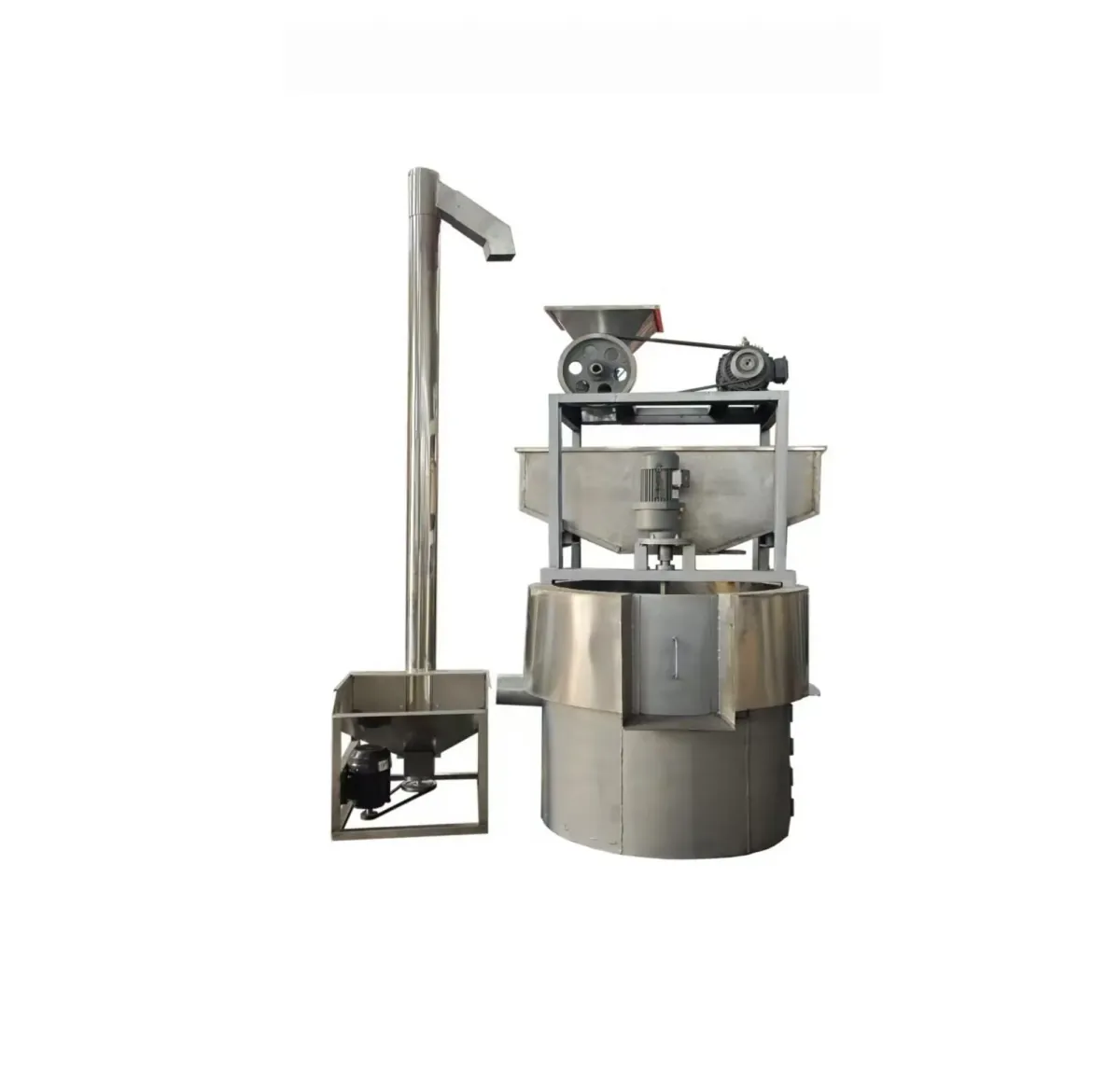
Integrated Feeder Crusher Roaster
Integrated feeder, crusher, and roaster combo machine. All-in-one seed preparation system that feeds, crushes, and roasts oil seeds in a single operation.
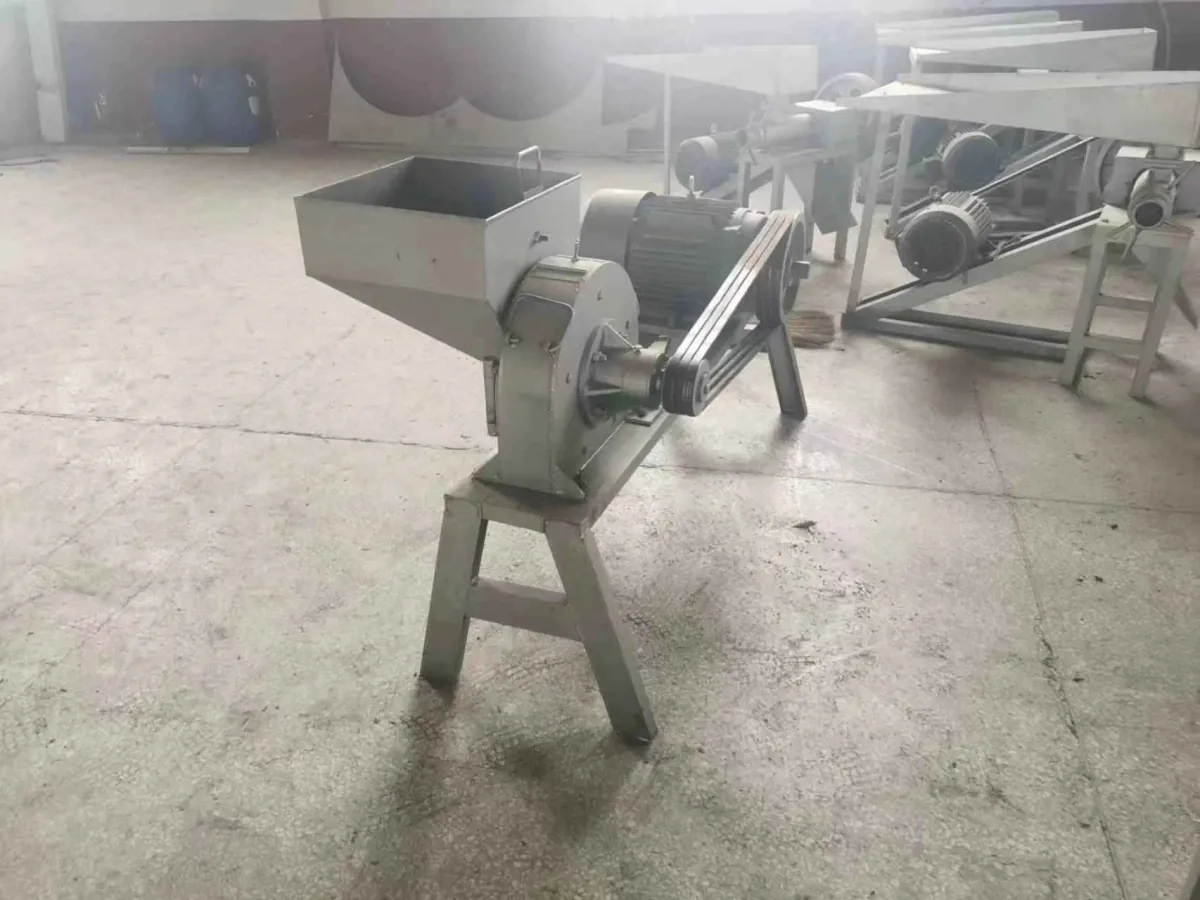
High Speed Seed Crusher for Oilseed Preparation
High-speed seed crusher for pre-pressing oil seed preparation. Efficiently cracks and crushes palm kernel, copra, and hard-shelled seeds before hydraulic pressing.
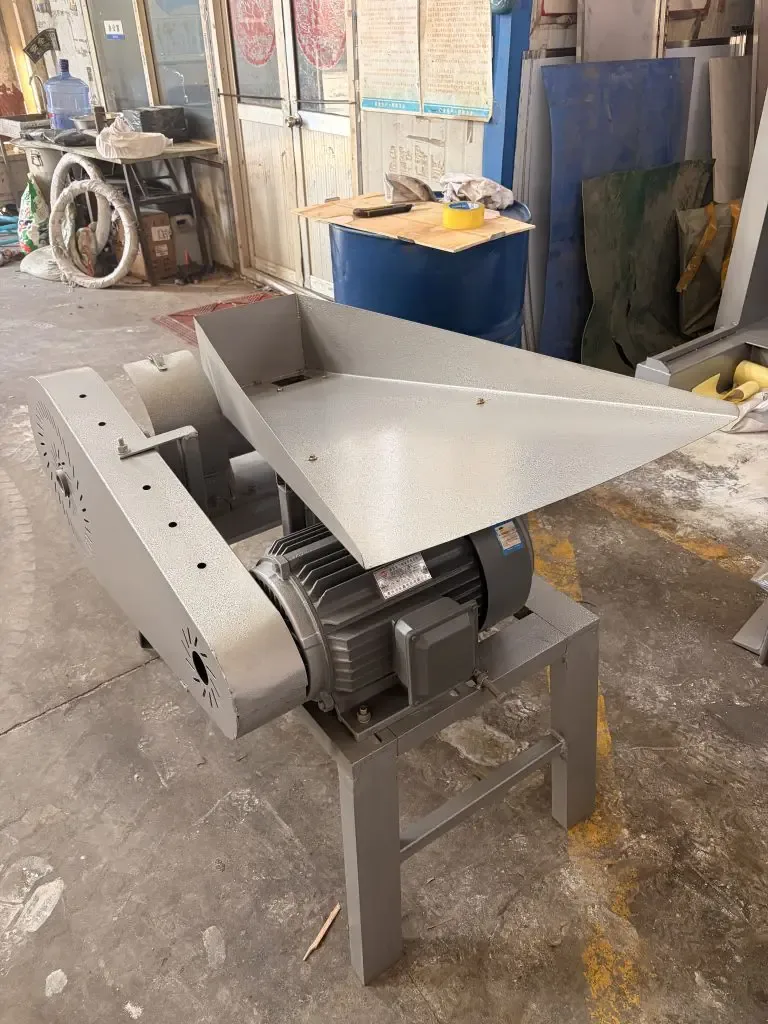
Oilseed Pre-Press for Oil Mill Pretreatment
Screw oilseed pre-press that removes 35–40% of oil in a first pass and raises total plant yield by 3–5%. 7.5 kW (500 kg/h) or 11 kW (750 kg/h), ready for mustard, rapeseed and groundnut lines.
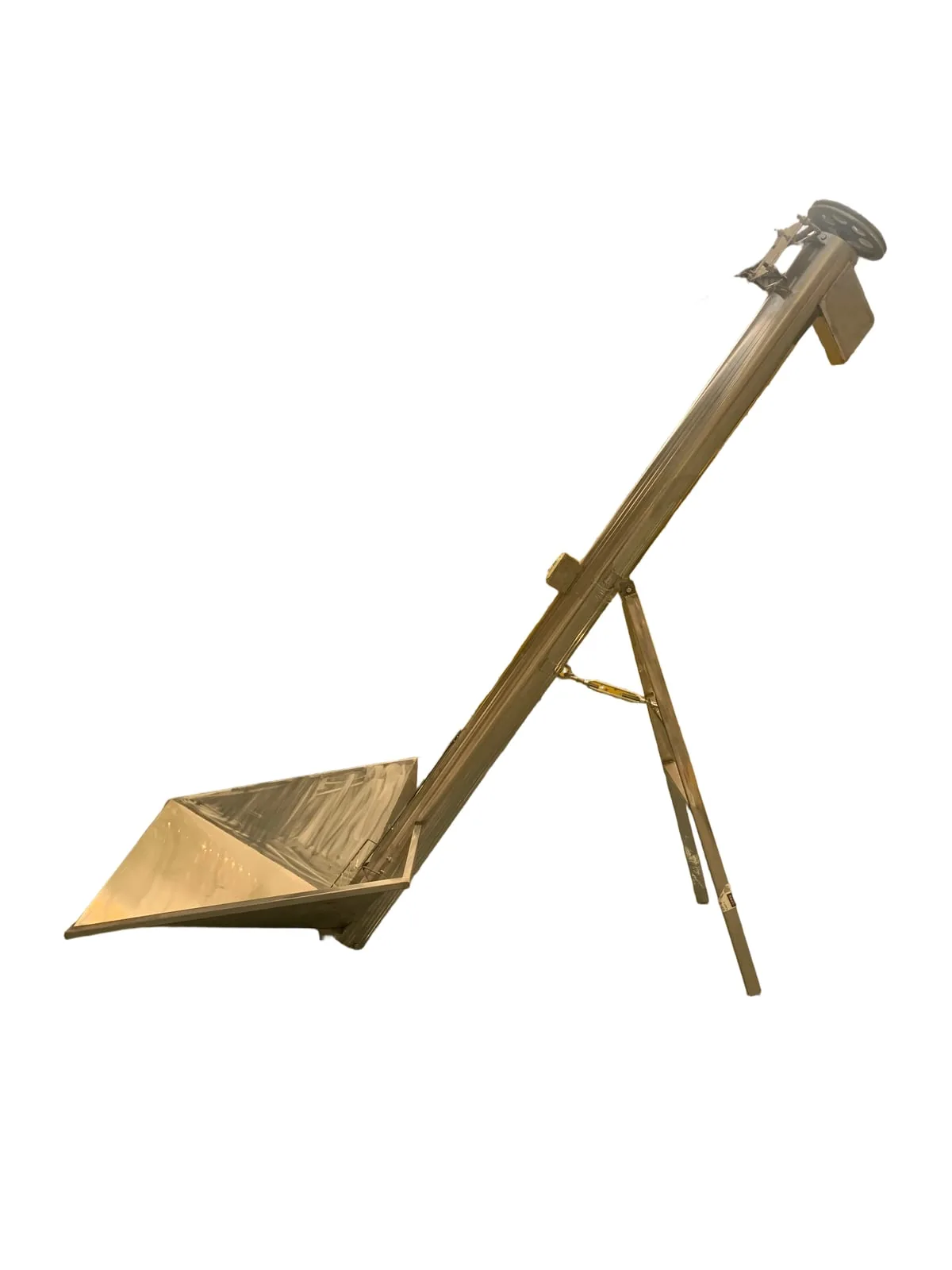
Vertical Screw Conveyor Feeder
2-metre vertical stainless steel screw feeder for automatic oilseed feeding into presses, roasters and filters. 1.1 kW geared drive, 600×600×600 mm bin, enclosed dust-free conveying.
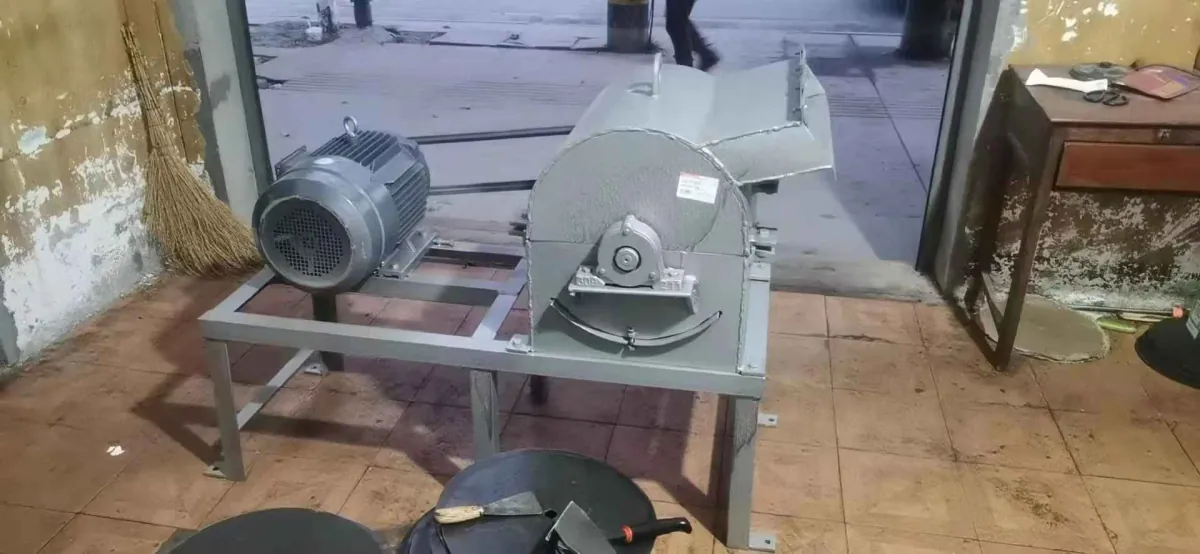
Industrial Oil Cake Crusher for Oil Mills
Industrial-grade oil cake crusher for crushing pressed oil cakes into fine powder. Well-suited for recycling oil cake residue, producing animal feed, or further processing.
Seed processing equipment covers the pre-pressing stages that prepare raw seeds for optimal oil extraction. This includes cleaning to remove debris and contaminants, dehulling to separate seed coats from kernels, and crushing or grinding to increase the surface area available for pressing or roasting.
Proper seed preparation directly affects oil yield, oil quality, and equipment longevity. Seeds that enter the press with foreign matter (stones, metal, dust) cause barrel wear and contamination. Seeds pressed whole, without cracking or dehulling, yield 10–20% less oil than properly prepared seeds. For these reasons, seed processing equipment is not optional — it is the foundation of an efficient pressing operation.
Model Range
Haonuo offers four seed preparation models plus one cake-processing model. For seeds ahead of pressing, the line includes the HN-CG60 screw pre-press (extracts 35–40% of the oil in a first pass at 500–750 kg/h), the 220 Type high-speed crusher for palm kernel, copra and other hard-shelled seeds, an all-in-one feeder–crusher–roaster for compact workshops, and the HN-SC vertical screw conveyor for automatic feeding into presses and roasters. The fifth model serves a different stage: the 370 Type industrial crusher is built for pressed oil cake rather than seeds, grinding sesame, peanut and rapeseed cake into fine powder at up to 2,000 kg/h for animal feed and by-product recycling.
Mills facing feeding or seed-cracking bottlenecks start with the screw conveyor and the matching crusher; lines that pre-extract with a screw before hydraulic pressing choose the HN-CG60; operations that also recycle press cake into feed add the 370 Type as a separate downstream machine.
Selection Criteria
| Factor | What to Consider |
|---|---|
| Throughput capacity | Match the processing rate to your press capacity — the cleaner and crusher should process at least 1.5× faster than your press consumes, to avoid bottlenecking |
| Screen mesh options | Multiple mesh sizes (2–20 mm) allow processing different seed types on the same machine; fixed-mesh machines limit flexibility |
| Dehulling capability | Important for sunflower, cottonseed, and rapeseed — hulls absorb oil during pressing and reduce yield; dehulling recovers this lost oil |
| Motor power | Range from 1.1 kW to 5.5 kW; harder seeds and higher throughput require more power |
Process position: Seed processing is the first stage of oil production — cleaned and prepared seeds flow to roasting/steaming equipment, then to the hydraulic press. See our Complete Oil Production Line Guide for details.
Seed Processing — Frequently Asked Questions
Can I skip seed cleaning if I buy seeds from a supplier?
Is dehulling necessary for all seeds?
Need Help Choosing the Right Seed Processing?
Our engineers can recommend the best machine for your oil seeds, capacity, and budget. Get a free quotation within 24 hours.